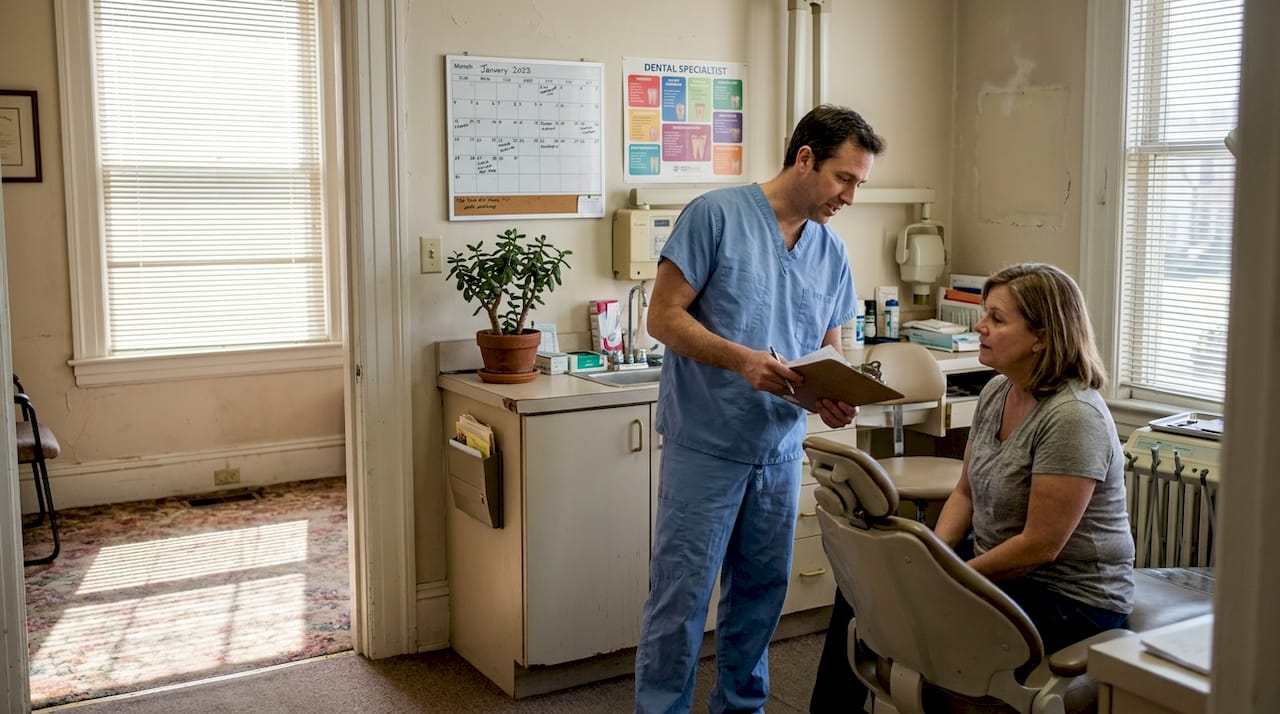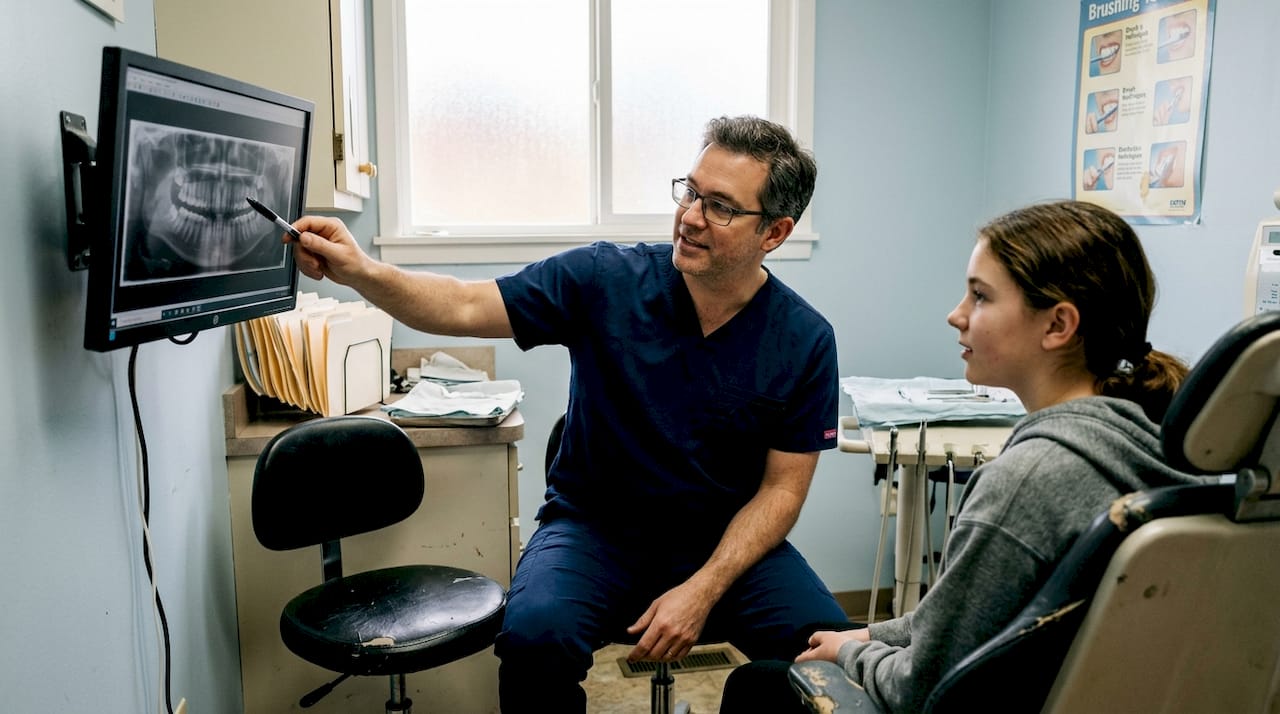
If you have been told you need a tooth extraction, your first thought is likely about the time commitment. Whether you are dealing with a painful wisdom tooth, a severely decayed molar, or need to make room for orthodontic treatment, knowing what to expect can significantly ease dental anxiety. At Monteluz Dental Specialty Group, we believe that an informed patient is a comfortable patient.
The short answer is that the physical act of removing a tooth often takes only 10 to 20 minutes. However, the entire appointment—from the moment you walk into our San Bernardino office to the moment you are ready to head home—usually lasts between 45 and 90 minutes. This timeframe accounts for numbing, preparation, and post-operative instructions.
Factors Influencing the Duration of Your Extraction
Not all extractions are created equal. The complexity of the procedure is the primary driver of how much time you will spend in the dental chair. Generally, extractions fall into two categories:
Simple Extractions
A simple extraction is performed on a tooth that is visible in the mouth and has straight roots. These are common for teeth that have been damaged by trauma or have moderate decay but are still structurally sound enough to be grasped. Once the area is fully numbed, the actual removal often takes less than 10 minutes.
Surgical Extractions
Surgical extractions are more involved. This method is required if a tooth has broken off at the gum line or has not erupted yet (such as impacted wisdom teeth). In these cases, the doctor may need to make a small incision in the gum or remove a small amount of bone to access the tooth. Because of the precision required, these procedures can take 30 to 45 minutes of "active" chair time.
The Step-by-Step Process
To help you plan your day, here is a breakdown of what happens during your extraction appointment in the Inland Empire.
- Preparation and Numbing (15–20 minutes): Before any work begins, we ensure the area is completely numb. We apply a topical numbing gel followed by a local anesthetic. We wait several minutes to ensure the medication has taken full effect so that you feel no pain, only light pressure.
- The Extraction (10–30 minutes): Using specialized instruments, the dentist gently loosens the tooth. In a simple extraction, the tooth is lifted out. In a surgical case, the tooth might be divided into smaller sections for easier removal.
- Cleaning and Closing (5–10 minutes): Once the tooth is removed, the socket is cleaned of any debris or infection. If necessary, a few dissolvable stitches are placed to help the gums heal.
- Clot Stabilization (10–15 minutes): You will be asked to bite down on a piece of sterile gauze. This pressure is vital to stop the bleeding and help a healthy blood clot form in the socket.
"The most important part of a tooth extraction isn't just the removal itself, but the care taken to preserve the surrounding bone and tissue. Taking a few extra minutes during the procedure ensures a much faster and more comfortable healing process for the patient."
Managing Comfort and Anxiety
If you are nervous about the procedure, the clock can feel like it is moving slowly. We offer various levels of sedation to help patients feel "removed" from the process. While local anesthesia blocks pain, options like nitrous oxide (laughing gas) or oral conscious sedation can help you relax.
If you choose a deeper level of sedation, your appointment time will be longer because we require an observation period to ensure you are fully awake and stable before you are discharged to your driver.
What to Expect After the Procedure
The "procedure" doesn't strictly end when the tooth is out. The first 24 hours are the most critical for your recovery. While the appointment is short, the healing process takes time.
- The First Hour: You will leave the office with gauze in your mouth. You should keep firm pressure on it for at least 30 to 45 minutes.
- The First 24 Hours: Avoid smoking, using straws, or vigorous rinsing. These actions can dislodge the blood clot, leading to a painful condition called dry socket.
- The First Week: You will likely experience some swelling and mild discomfort, which can be managed with over-the-counter or prescribed pain relievers. Stick to soft foods like yogurt, mashed potatoes, and lukewarm soups.
Planning for Replacement
At Monteluz Dental Specialty Group, we don't just focus on removing the problem; we focus on your long-term smile. During your consultation, we can discuss options for replacing the extracted tooth, such as dental implants, bridges, or partial dentures. Many patients choose to have a "socket preservation" bone graft at the time of extraction to keep the jawbone strong for a future implant.
Affordable Care in San Bernardino
We understand that an unexpected tooth extraction can be a financial concern. Because we serve a diverse community in the Inland Empire, we strive to make our specialty care accessible to everyone.
- Insurance & Medi-Cal: We accept most major PPO dental insurances and are proud to accept Medi-Cal/Denti-Cal to ensure our neighbors receive the care they need.
- Bilingual Service: Our staff is fully bilingual (English and Spanish) to ensure clear communication regarding your procedure and costs.
- Flexible Financing: If you are uninsured or have a high deductible, we offer flexible financing plans to break the cost into manageable monthly payments.
If you are experiencing tooth pain or have been told you need an extraction, don't wait for the problem to worsen. We offer free consultations to evaluate your needs and provide a clear, transparent treatment plan. Contact Monteluz Dental Specialty Group today to schedule your visit and let our experienced team help you get back to a healthy, pain-free smile.