If you have been referred to a periodontist, it is likely because your dentist has noticed signs of advanced gum disease or needs specialized expertise regarding the structures that support your teeth. While the prospect of visiting a specialist can feel daunting, understanding periodontal treatment procedures can help alleviate anxiety. Periodontists are dental experts focused on the prevention, diagnosis, and treatment of periodontal disease (gum disease) and the placement of dental implants.
At Monteluz Dental Specialty Group, we believe that informed patients are more comfortable and better equipped to make decisions about their oral health. Whether you are visiting us in San Bernardino for a routine check-up or a specific surgical procedure, our goal is to restore the health of your gums and prevent tooth loss.
The Purpose of Your Initial Consultation
The goal of your first visit is to determine the current state of your gum health and create a roadmap for treatment. Unlike a general cleaning, a periodontal exam is a deep dive into the "foundation" of your smile. During this visit, you can expect:
- Medical History Review: The health of your gums is closely linked to your overall systemic health. Conditions like diabetes, heart disease, and pregnancy can impact how your body responds to gum disease.
- Periodontal Probing: Your provider will use a small instrument called a periodontal probe to measure the "pockets" or spaces between your teeth and gums. In a healthy mouth, these pockets are 1 to 3 millimeters deep. Deeper pockets often indicate the presence of infection or bone loss.
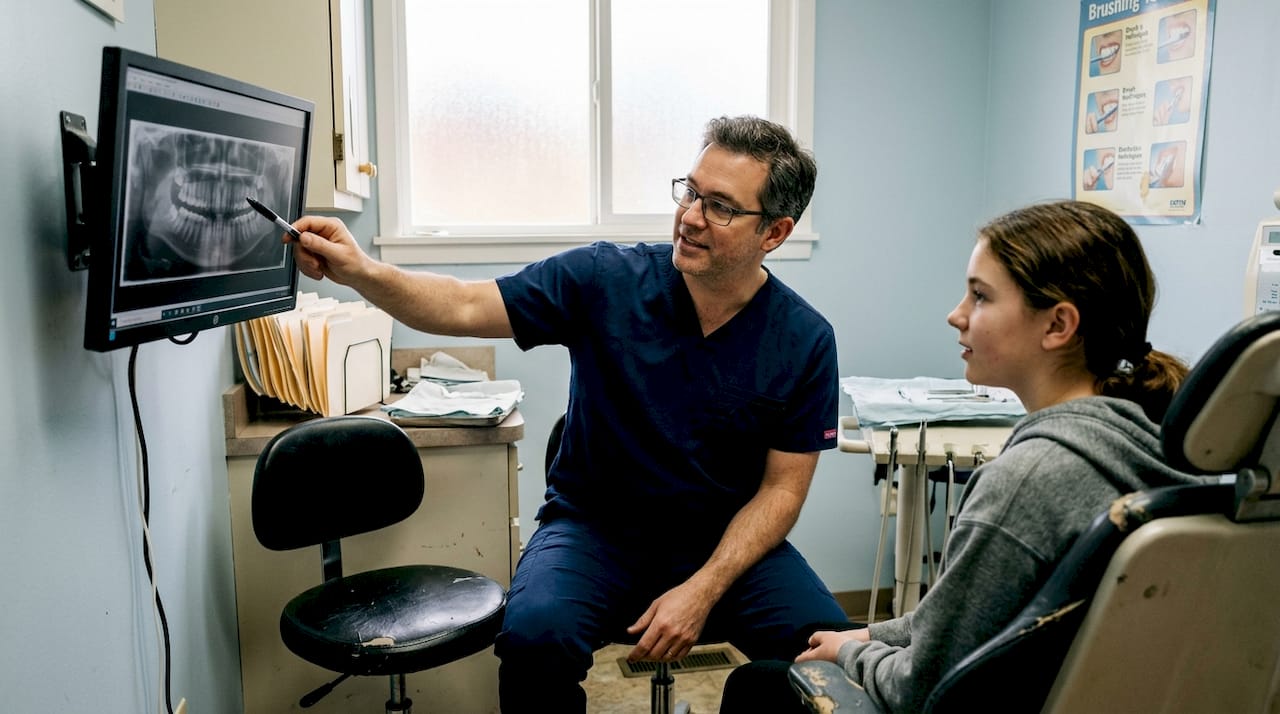
- Digital X-rays: Standard X-rays aren't always enough. A periodontist uses specialized imaging to assess the density and height of the bone surrounding your tooth roots.
- Bite Assessment: The specialist will check how your teeth fit together and look for any signs of loose teeth, which can be a symptom of advanced periodontal disease.
Non-Surgical Periodontal Procedures
For many patients in the Inland Empire, surgery is not the first step. If gum disease is caught in the early to moderate stages (Gingivitis or early Periodontitis), non-surgical interventions are often highly effective.
Scaling and Root Planing (Deep Cleaning)
This is the "gold standard" for treating initial gum disease. It goes significantly deeper than a standard prophylaxis. Scaling involves removing plaque and tartar from above and below the gum line. Root planing involves smoothing out the rough spots on the roots of the teeth where bacteria tend to congregate. This allows the gum tissue to reattach to the clean tooth surface.
Localized Antibiotic Therapy
Sometimes, cleaning isn't enough to kill all the bacteria hiding in deep pockets. Your specialist may apply a localized antibiotic directly into the pocket to help eliminate infection and promote healing over several weeks.
"Periodontal health is the cornerstone of a healthy smile. Without a strong foundation of bone and healthy gum tissue, even the most beautiful teeth are at risk."
Surgical Periodontal Procedures
When gum disease has progressed to a point where deep pockets remain even after a deep cleaning, surgical intervention may be necessary to save the teeth.
Pocket Reduction Surgery (Flap Surgery)
During this procedure, the periodontist gently lifts the gums back to remove deep-seated tartar that couldn't be reached otherwise. After cleaning the area, the gums are secured back in place so that they fit more snugly around the teeth. This makes it much easier for the patient to keep the area clean at home.
Bone and Tissue Grafting
If the infection has destroyed the bone or caused the gums to recede significantly, grafting may be required.
- Bone Grafts: Synthetic or natural bone is placed in areas where bone has been lost to encourage your body to regenerate its own bone.
- Soft Tissue Grafts: If your gums have receded, tissue can be taken from the roof of your mouth or a donor source to cover exposed roots, reducing sensitivity and protecting the tooth from further decay.
Dental Crown Lengthening
This procedure reshapes excess gum and bone tissue to expose more of the natural tooth surface. It is often performed if a tooth is broken too close to the gum line for a crown to be placed, or for cosmetic reasons to fix a "gummy" smile.
Advancing Toward Dental Implants
In cases where a tooth cannot be saved due to severe periodontal disease, a periodontist is the ideal specialist to manage tooth replacement. Because they are experts in bone and soft tissue, they ensure the site is healthy and has enough bone density to support a dental implant. From sinus lifts to ridge augmentations, these procedures create the perfect environment for a permanent, functional replacement tooth.
What Happens After Treatment?
Periodontal disease is a chronic condition, much like hypertension or diabetes. While it can be managed and put into "remission," it requires life-long maintenance. This is known as Periodontal Maintenance.
Patients who have undergone periodontal treatment usually switch from a standard six-month cleaning schedule to 90-day intervals. This is because the bacteria that cause gum disease typically repopulate every three months. By visiting our office more frequently, we can monitor your pocket depths and ensure that the infection does not return.
Why Specialized Care Matters
Choosing a specialty practice ensures you have access to the latest technology and techniques tailored for complex cases. At Monteluz, our bilingual team is dedicated to providing accessible care to everyone in our community. We understand that dental costs can be a concern, which is why we accept most major insurance plans, including Medi-Cal (Denti-Cal), and offer flexible financing options. Our goal is to make sure your treatment is as affordable as it is effective.
If you are experiencing symptoms like bleeding gums, persistent bad breath, or loose teeth, it is important not to wait. Periodontal disease is the leading cause of tooth loss in adults, but with the right specialty care, it is entirely treatable.
If you are concerned about your gum health or have been told you need specialized dental care, we are here to help. Contact Monteluz Dental Specialty Group in San Bernardino today to request your free consultation. Our friendly, bilingual team will walk you through your options and help you reclaim a healthy, confident smile.