Oral health is about more than just a bright smile; it is a critical component of your overall physical well-being. While routine cleanings and fillings handle most common dental issues, there are times when a more specialized approach is necessary. Oral surgery encompasses a wide range of procedures designed to resolve complex issues involving the teeth, jaw, and facial structures.
For many patients in the Inland Empire, the idea of "surgery" can feel intimidating. However, modern dental technology and advanced sedation techniques have transformed these procedures into comfortable, routine experiences. Whether you are dealing with a painful wisdom tooth or looking to replace missing teeth with permanent solutions, understanding the different types of oral surgery can help ease your anxiety and help you make informed decisions about your care.
Common Tooth Extractions: Simple vs. Surgical
The most frequent type of oral surgery is a tooth extraction. While dentists always prioritize saving a natural tooth whenever possible, an extraction may be necessary if a tooth is severely decayed, fractured beyond repair, or if the mouth is overcrowded.
Simple Extractions
A simple extraction is performed on a tooth that is visible in the mouth. In these cases, the dentist uses specialized instruments to loosen the tooth and remove it under local anesthesia. This is a common procedure for teeth that have been damaged by trauma or are being removed to make space for orthodontic treatment.
Surgical Extractions
If a tooth has broken off at the gum line or has not yet erupted (as is common with wisdom teeth), a surgical extraction is required. This involves making a small incision in the gum to access the tooth. In some cases, a small amount of bone around the tooth may need to be removed, or the tooth may be divided into sections to make removal easier.
Wisdom Teeth Removal
Wisdom teeth, or third molars, are the last set of teeth to emerge, usually in the late teens or early twenties. Because the human jaw has evolved to be smaller than that of our ancestors, there is often no room for these teeth to grow properly.
When wisdom teeth do not have enough space, they can become "impacted," meaning they are stuck under the gum or growing at an awkward angle. Impacted wisdom teeth can cause:
- Intense jaw pain and swelling
- Damage to neighboring healthy teeth
- Cysts or infections in the gums
- Crowding that shifts the alignment of other teeth
Most oral surgeons recommend removing wisdom teeth proactively to prevent these complications before they start.
Dental Implants and Bone Grafting
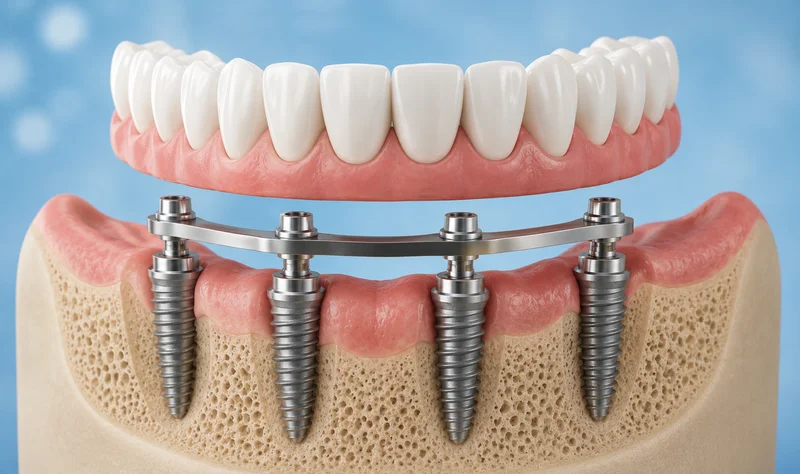
Dental implants have revolutionized the way we approach tooth loss. Unlike dentures or bridges, which sit on top of the gums, a dental implant is a titanium post surgically placed into the jawbone. This post acts as an artificial tooth root, providing a stable foundation for a custom-made crown.
The Role of Bone Grafting
For a dental implant to be successful, there must be enough healthy bone in the jaw to support it. If a patient has suffered from bone loss due to long-term tooth loss or periodontal disease, a bone graft may be necessary. During this procedure, the surgeon adds bone material (either synthetic or from another source) to the jaw. Over several months, this material fuses with the existing bone, creating a solid base for future implants.
"Oral surgery is not just about addressing immediate pain; it is about rebuilding the foundation of your smile to ensure long-term health and functionality."
Corrective Jaw Surgery (Orthognathic Surgery)
Corrective jaw surgery is a more complex specialty procedure used to fix skeletal irregularities. When the upper and lower jaws do not align correctly, it can lead to significant problems with chewing, speaking, and breathing. It can also contribute to chronic TMJ (temporomandibular joint) pain and sleep apnea.
Orthognathic surgery is often a collaborative effort between an orthodontist and an oral surgeon. While the orthodontist uses braces to align the teeth, the surgeon repositions the jawbones to improve facial symmetry and functional alignment. This can be a life-changing procedure for patients who have struggled with severe malocclusions or structural jaw issues since childhood.
Biopsies and Reconstructive Surgery
Oral surgeons also play a vital role in diagnosing and treating pathological conditions. If a dentist discovers an unusual lump, sore, or patch of discoloration in the mouth that does not heal on its own, they may refer the patient for a biopsy.
During a biopsy, a small tissue sample is surgically removed and sent to a lab for testing. This is the definitive way to screen for oral cancer and other serious conditions. If a tumor or cyst is found, reconstructive surgery may be required to restore the appearance and function of the mouth and jaw following the removal of the diseased tissue.
Choosing the Right Care at Monteluz Dental Specialty Group
At Monteluz Dental Specialty Group, we understand that every patient’s needs are unique. We specialize in providing comprehensive oral surgery services right here in San Bernardino, ensuring that you don't have to travel far for high-quality specialized care.
We pride ourselves on being a bilingual practice, serving our English and Spanish-speaking communities with the same level of dedication and warmth. We believe that financial concerns should never stand in the way of your health, which is why we accept most major insurance plans, including Medi-Cal (Denti-Cal), and offer flexible financing options.
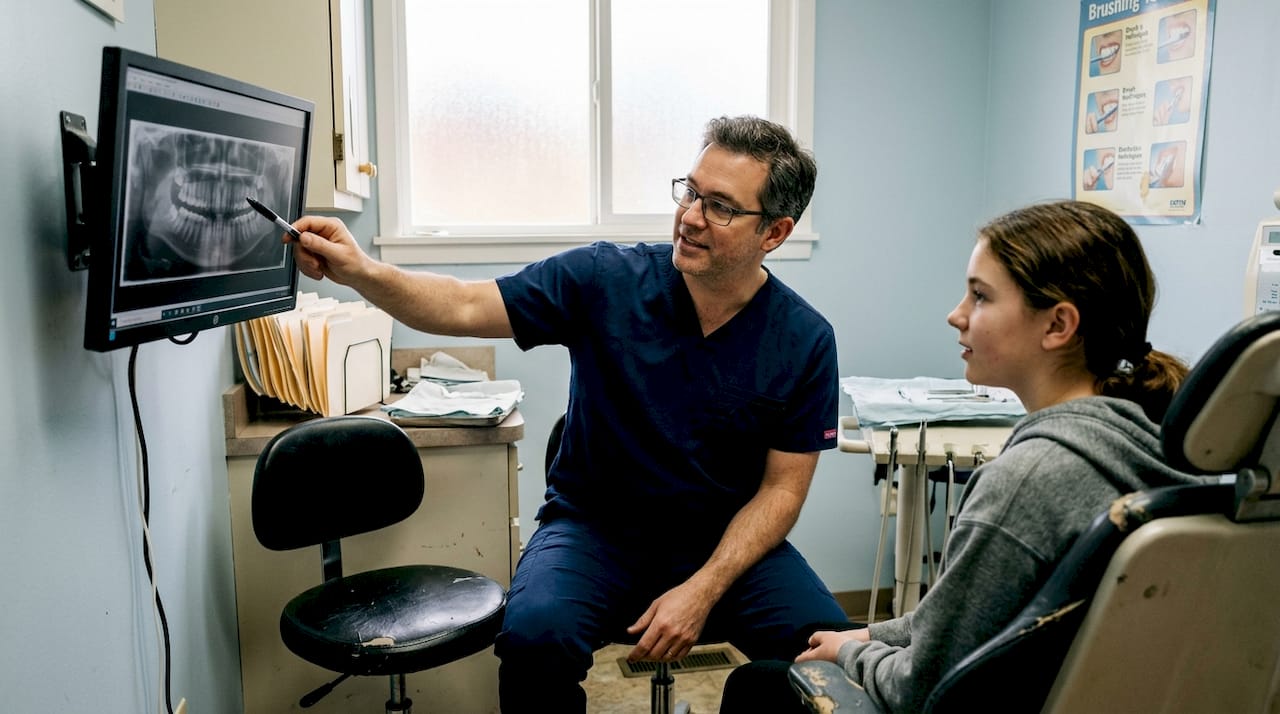
Our team utilizes advanced imaging and gentle sedation techniques to ensure that your procedure—whether it is a simple extraction or a complex full-mouth reconstruction—is as stress-free as possible. From your initial consultation to your post-operative follow-up, we are here to guide you through every step of the healing process.
If you are experiencing dental pain, missing teeth, or have been told you need a specialized procedure, our expert team is ready to help. Contact Monteluz Dental Specialty Group today to schedule your free consultation and take the first step toward a healthier, more confident smile.