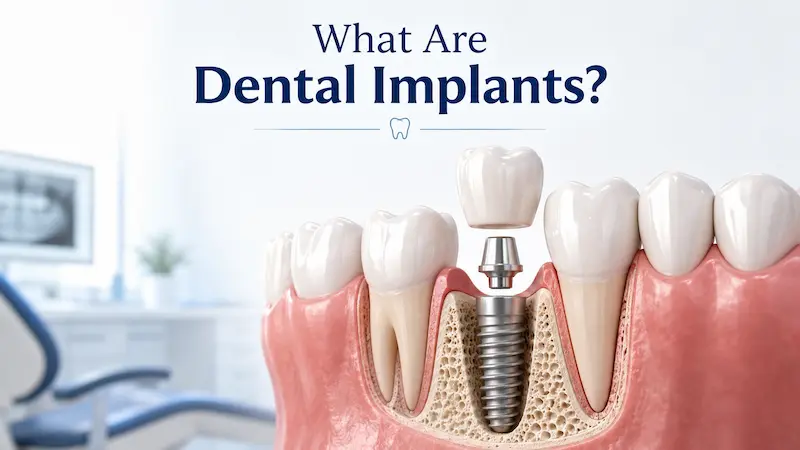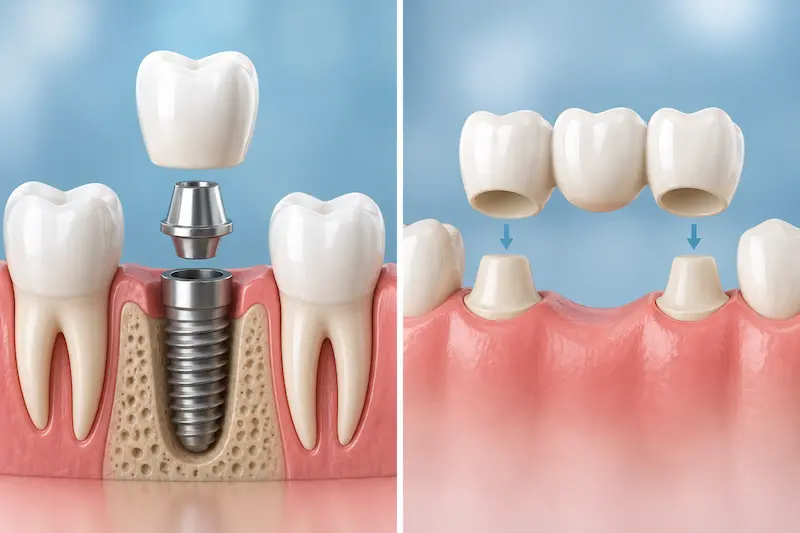
Deciding to restore your smile with dental implants is a life-changing choice. Implants are the gold standard for tooth replacement because they mimic the natural structure of a tooth, from the visible crown down to the hidden root. However, for a dental implant to be successful, it requires a sturdy foundation. That foundation is your jawbone.
In many cases, patients visiting our San Bernardino office learn that they don't quite have enough bone density to support an implant right away. This is where bone grafting comes in. While the term might sound intimidating, it is a routine, highly predictable procedure that bridges the gap between tooth loss and a permanent, beautiful smile.
What is Bone Grafting?
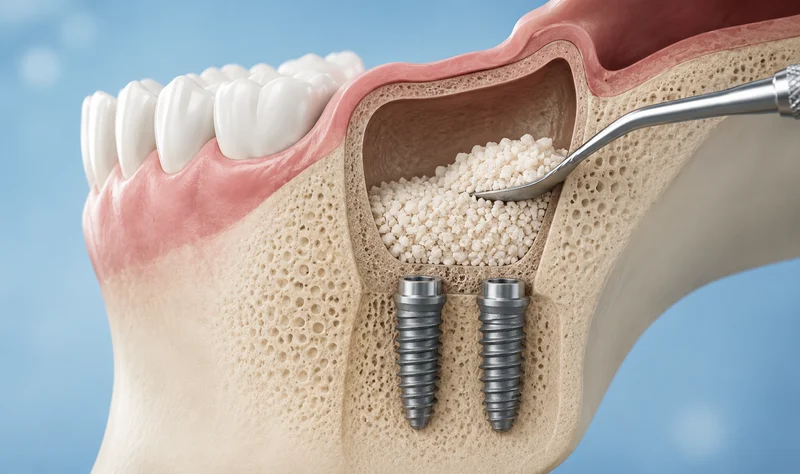
Bone grafting is a minor surgical procedure used to add volume and density to the jawbone in areas where bone loss has occurred. During the process, a specialized grafting material is placed into the site where the bone is thin or recessed. This material doesn't just "fill a hole"; it acts as a bioactive scaffold that signals your body to start a natural healing process called osteogenesis.
Over a period of several months, your body absorbs the grafting material and replaces it with your own natural, living bone. Once this process is complete, the jawbone is thick and strong enough to anchor a dental implant securely.
Why Bone Loss Happens
To understand why you might need a graft, it helps to understand how the jawbone works. Your jawbone is "use it or lose it" tissue. It requires the constant stimulation of a tooth root—transmitted through the act of chewing—to stay healthy and dense.
When a tooth is lost due to decay, injury, or gum disease, that stimulation stops. The body begins to resorb the minerals from that section of the jaw because it "thinks" the bone is no longer needed. Significant bone loss can occur within the first year after an extraction. Other causes of bone deficiency include:
- Advanced Periodontal Disease: Gum disease can eat away at the underlying bone supporting the teeth.
- Long-term Denture Use: Traditional dentures sit on top of the gums and do not stimulate the bone, leading to gradual thinning of the jaw over time.
- Facial Trauma: Accidents that damage the teeth and jaw often result in bone loss at the site of the injury.
- Anatomy: Some patients naturally have thinner bone or larger sinus cavities that require modification before implants can be placed.
Types of Bone Grafting Procedures
Depending on the location of the missing tooth and the extent of the bone loss, our specialists at Monteluz Dental Specialty Group may recommend one of several types of grafts:
Socket Preservation
This is the most common type of graft. It is performed immediately after a tooth extraction. By filling the empty socket with grafting material right away, we can prevent the bone from collapsing and shrinking, making the future implant process much smoother.
Lateral Ridge Augmentation
If a tooth has been missing for a long time, the bony ridge that once held the tooth may have become narrower. A ridge augmentation increases the width or height of the jawbone to create a stable base for the implant post.
Sinus Lift
The upper back jaw is notoriously difficult for implants because the bone is naturally thinner there and sits very close to the maxillary sinuses. A sinus lift gently moves the sinus membrane upward and places bone graft material underneath, creating enough vertical space for an implant without interfering with your nasal cavities.
The Connection Between Grafting and Implant Success
The success of a dental implant relies on a process called osseointegration. This is when the titanium implant post fuses directly with your jawbone. If the bone is too thin or soft, the implant will not be able to withstand the intense pressure of chewing.
Bone grafting is the preventive measure that ensures your dental implant isn't just a cosmetic fix, but a functional, lifelong investment in your oral health.
By opting for a bone graft, you are significantly reducing the risk of implant failure. It ensures that the "anchor" of your new tooth is surrounded by healthy, dense tissue that can hold it in place for decades to come.
What to Expect During the Procedure
At our multi-specialty practice in San Bernardino, we prioritize patient comfort. The bone grafting procedure is typically performed under local anesthesia, though we offer various sedation options for those who feel anxious.
Most patients describe the sensation as being similar to a filling or a routine extraction. After the graft is placed, the area is sutured, and a healing period begins. While the initial gum healing takes just a week or two, the "integration" phase—where the graft turns into solid bone—can take anywhere from three to six months. In some minor cases, we can even perform the graft and place the implant on the same day.
Care and Cost Considerations
Many patients in the Inland Empire are concerned about the cost and complexity of adding a graft to their treatment plan. At Monteluz Dental Specialty Group, we believe that high-quality specialty care should be accessible. We accept most major insurance plans and Medi-Cal/Denti-Cal, and we offer flexible financing options to ensure your treatment fits your budget.
Post-operative care is straightforward. You will be advised to eat soft foods for a few days and avoid disturbing the surgical site. Our team provides detailed instructions and follow-up appointments to monitor the growth of your new bone, ensuring you are ready for the final step: your new dental implant.
Restoring More Than Just Teeth
Bone grafting does more than just prepare you for an implant; it helps preserve your facial structure. Significant bone loss in the jaw can lead to a "sunken" appearance in the lower face, making a person look older than they are. By maintaining the volume of the jawbone, you are also maintaining the youthful contours of your face.
Whether you are missing a single tooth or require a full-mouth restoration, understanding the foundation of your smile is the first step toward a successful outcome. Bone grafting is a safe, effective, and essential tool in modern restorative dentistry.
If you are considering dental implants but aren't sure if your jawbone is ready, the team at Monteluz Dental Specialty Group is here to help. We provide comprehensive evaluations and bilingual care to patients throughout San Bernardino and the surrounding Inland Empire. Contact us today to schedule your free consultation, and let’s discuss the best path toward restoring your smile and your confidence.